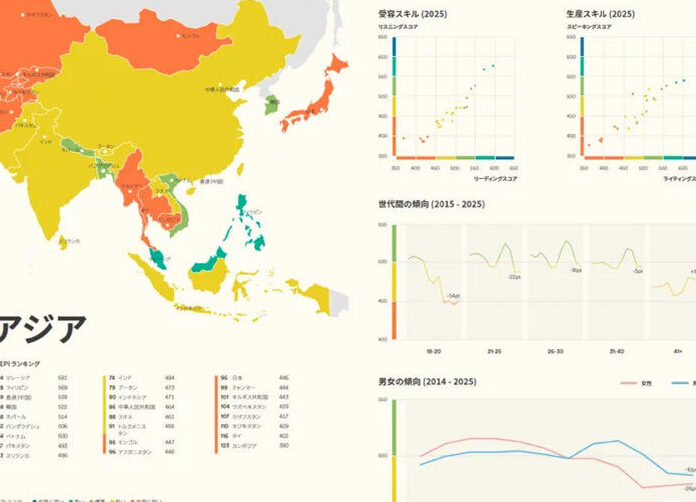
Cultural attitudes toward English also play a significant role in the disparity between Japan and other countries. For instance, in many European nations, there is a strong emphasis on multilingualism from an early age, leading to greater exposure to English outside of formal education. This contrasts sharply with Japan, where English is often perceived as an academic subject rather than a practical communication tool.
Sociolinguistic Environment: In countries like the Netherlands and Sweden, English media is widely consumed, allowing for more natural language acquisition.
Motivation Levels: The drive to learn English can differ significantly; while some cultures prioritize it for career advancement or travel opportunities, others may not see it as essential.
Cultural Integration:The integration of English into daily life through social interactions enhances fluency levels in many non-native speaking countries.
This cultural context highlights why we must consider factors beyond just educational systems when discussing why 日本の英語力は世界で何位ですか? Furthermore, understanding these differences can pave the way for effective strategies aimed at improving our own proficiency levels.
The Impact of Globalization on Language Learning Trends
The rise of globalization has further influenced how different countries approach language learning. With increasing international business interactions and digital communications, nations are recognizing the necessity of mastering English. Countries like India and Singapore have adapted their educational frameworks accordingly to meet this demand effectively. In contrast, Japan’s traditional focus may hinder its adaptability in this rapidly changing landscape.
This comparison underscores the importance of reevaluating our current practices in light of global trends that could benefit Japanese learners immensely if embraced effectively.
CLE (Content and Language Integrated Learning): 他教科と連携した授業形式も広まりつつあり、これによって生徒たちはより多角的に言語を捉えることが可能になっています。
This evolution in the educational landscape indicates that we are starting to embrace more effective methods for language acquisition. However, despite these positive changes, it is essential to remain vigilant about maintaining a balance between traditional learning methods and innovative approaches.
The Role of Technology in Language Learning
The integration of technology into language learning has also emerged as a significant trend. Mobile apps, online courses, and digital resources provide learners with unprecedented access to English language materials.
技術ツール
機能
SRSアプリ(Spaced Repetition System)
復習効率を高め、記憶定着を促進
YouTubeチャンネル
ネイティブ発音やリアルライフ会話へのアクセス
This technological shift complements traditional education methods and allows students to practice English in diverse contexts. As we analyze the trends emerging from recent data, it becomes clear that Japan is evolving in its approach to mastering the English language.
Cultural Exchange Programs: 日本文化を紹介することで、自国への関心も高まり、より多くの学生が参加したいと思うようになります。
This engagement with the community not only enhances language skills but also fosters a sense of belonging among learners. We believe that such initiatives play a crucial role in motivating individuals to improve their English proficiency.
The Impact of Online Learning Platforms
The rise of online learning platforms has transformed how Japanese learners approach English language acquisition. These platforms provide flexibility and accessibility, allowing students to learn at their own pace.
オンラインプラットフォーム名
特徴
DMM英会話
24時間いつでもレッスン可能
Berlitz Online
ネイティブ講師によるマンツーマン授業
This digital shift allows for personalized learning experiences and caters to diverse needs, making it easier for learners to engage with the English language. As we continue to analyze these developments, it becomes increasingly clear that our efforts in enhancing Japan’s English proficiency will yield positive results over time.